David Bardeen

I am an art historian and the Assistant Curator for European Painting and Sculpture at the Los Angeles County Museum of Art (LACMA), with expertise in Renaissance art and architecture, Venetian history, and the relationship between art and ecology.

I received my undergraduate degree from Harvard, a Masters in Art History and Archaeology from NYU, and my PhD in Art History from UCLA. I am also a recovering corporate and securities lawyer. When in Venice, my partner and I share an apartment on Campo San Barnaba with our two French bulldogs, Otto and Fritz!

Book: Intarsia, Painting, and the Germination of Italian Renaissance Art (Princeton University Press, expected Fall 2027)
Article: "Toward a Vermicular Theory of Renaissance Art," Sixteenth Century Journal (forthcoming, Fall 2026) (recipient of the Carl S. Meyer Prize)
Article: "Giovanni Bellini's Bleeding Trees: Animacy and Arboreal Thinking in the Italian Renaissance Stump," I Tatti Studies (Spring 2025). PDF
Article: "Grains, Worms and Stains: Designing from Wood in Early Modern Italy," The Art Bulletin (December 2024). PDF

Co-curator (with Leah Lehmbeck), Collecting Impressionism (December 21, 2025 to January 3, 2027, LACMA)

The best way to reach me is by text or on WhatsApp at +1-646-244-9178, or by email at dbardeen@lacma.org

Intarsia, Painting, and the Germination of Italian Renaissance Art (Princeton University Press, anticipated Fall 2027)

Intarsia project

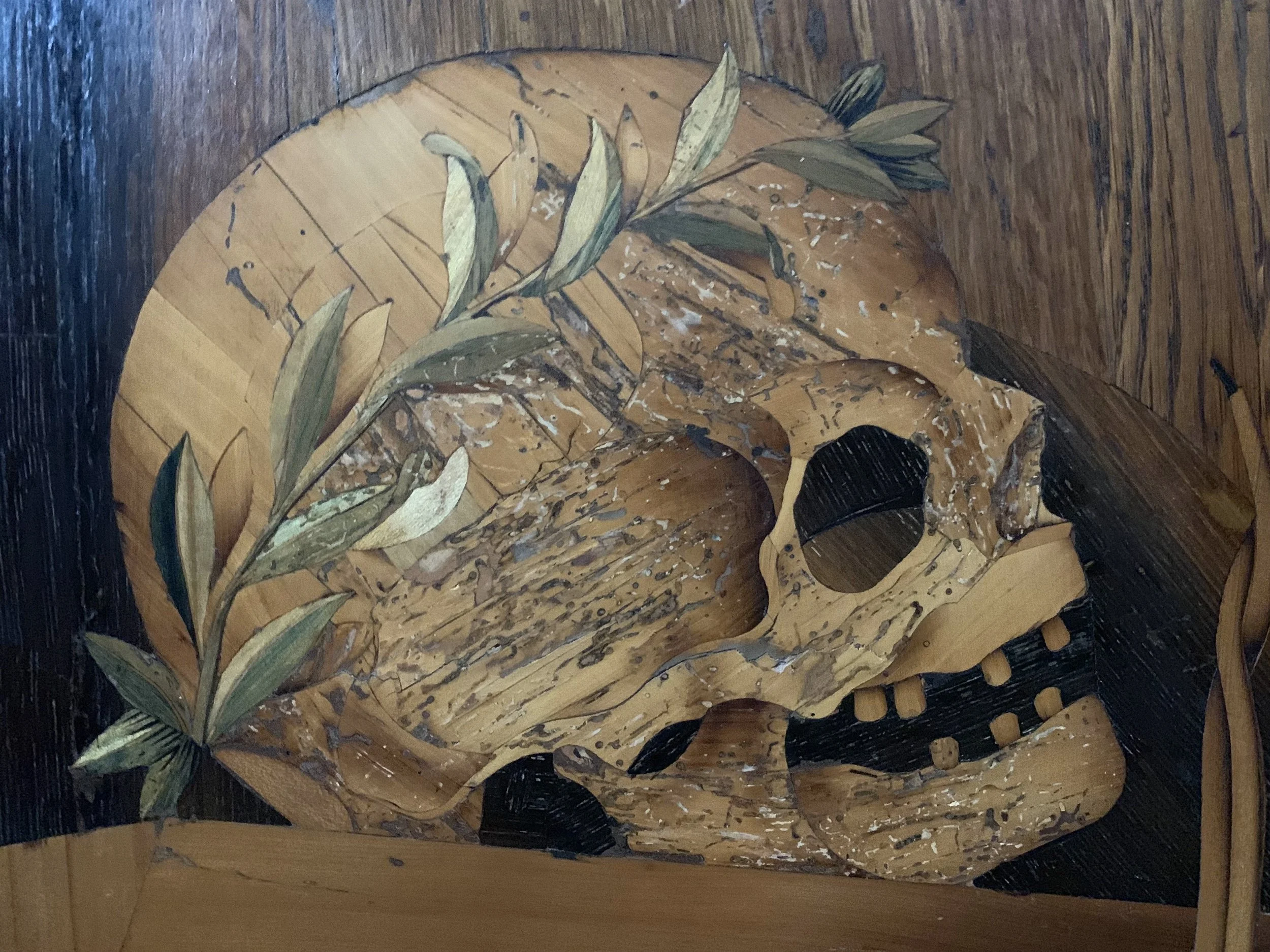
In an intarsia panel in Lombardy (c. 1520), a skull rests on a cupboard shelf, its crown festooned with laurel leaves. The portion of the skull behind the eye — the temporis os or "bone of time" — is mottled with wormholes and pockmarks, underscoring the symbolic import of the momento mori, a reminder of the fragility of life and the fate of human flesh. On the wall behind are pronounced vertical grains, each one a tree ring that corresponds to a human and arboreal year. And around the crown of the skull, wood infected with a green-staining fungus has been used to depict laurel leaves; fungal stains are far more permanent than artificial pastes or pigments, appropriate for a laurel leaf, symbol of eternal youth and beauty. The panel breathes with an arboreal intelligence, asserting correspondences between the growth and decay of trees and the weighty questions of human life, death and rebirth that were pondered in the choir precincts, sacristies and private rooms where intarsia panels were installed.

My book argues that intarsia makers' inventive engagements with wood provoked new ways of thinking about the human relationship to forests, trees and plant life. From the mid-fifteenth to early-sixteenth centuries, intarsia panels formed the backdrop for spiritual practice and everyday life, and intarsia makers were key participants in networks of architects, sculptors, and painters. Presenting new visual and material evidence, much of it gathered outside of Italy's traditional artistic centers, I show how the knowledge and expertise developed by intarsia makers spurred innovations in other art forms, especially painting, encouraging early modern Italians to think about human life, death and rebirth in distinctly arboreal terms.


A Vermicular Theory of Renaissance Art (in development)

Vermicular Theory

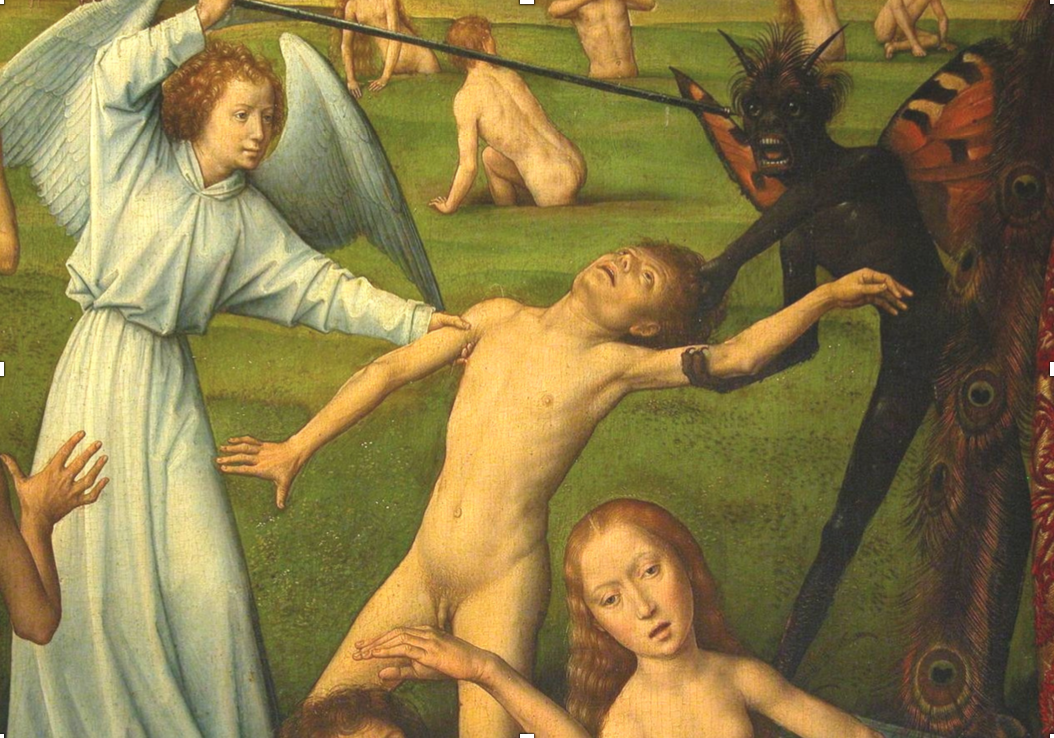
While elusive, woodworms and other worm-like creatures were pervasive in early modern European art, eating their way through woodblock prints and sculpture, canvas supports and book and manuscript pages, leaving elaborate designs (and excrement) in their wake. They also meander conceptually through the spiritual and philosophical terrain of literature and thought: as agents of evil, models of redemption, or, paradoxically, proxies for the divine. Prior studies have treated these creatures as conservation issues, to be neutralized or eradicated, but precisely because they are disruptive, worms (including beetles and moths in their larval form) draw attention to processes of growth, transformation and world-making…


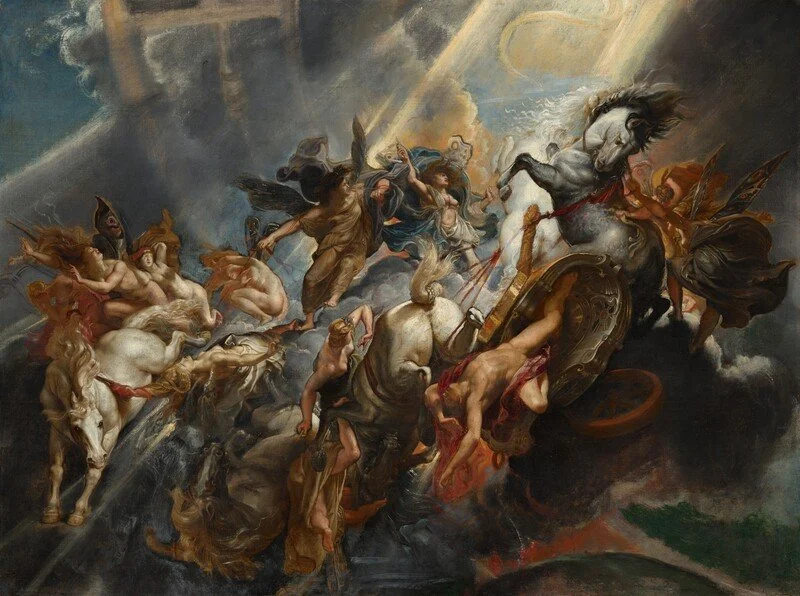
Rubens, Galileo and the Cosmological Baroque (in development)

Rubens Galileo

Publications

Selected articles, essays, and forthcoming books

Books

Articles and Book Chapters

Speaking

Lectures, symposia, and public presentations

For speaking inquiries, please contact me at dbardeen@lacma.org.

April 22, 2026
"Animal Actors in Medieval Art: Worms!"
Guest Lecture, Middlebury College
February 19, 2026
Renaissance Society of America, San Francisco, CA
February 6, 2026
"Rubens, Galileo and the Cosmological Baroque: The Fall of Phaeton"
Early Modern Skies, Center for 17th & 18th Century Studies, William Andrews Clark Memorial Library, UCLA, Los Angeles
April 22, 2025
"Gods, Flames and Butterfly Wings: Ovid in Renaissance Art"
Gallery Talk with Mary Beard, National Gallery of Art, Washington
March 22, 2025
"Ligneous Illusions? Italian Intarsia's Relationship to Visual Deception"
Renaissance Society of America, Boston, MA
December 4, 2024
"Toward a Nonhuman History of Renaissance Art (Worms)"
CASVA Shoptalk, The Center for the Advanced Study in the Visual Arts, The National Gallery of Art, Washington
June 24, 2024
"Harvest, Rot, Blood: Rethinking the Tree Stump in Italian Painting"
Comité International d'Histoire de l'Art (CIHA), Lyon, France
March 21–23, 2024
"From Rot to Revelation: Generative Decay in Italian Intarsia, 1450–1540"
Renaissance Society of America, Chicago, IL
June 13, 2022
"Grains, Worms and Stains: Designing from Wood in Early Modern Italy"
Symposium, Making Green Worlds, École de Printemps in Art History, Los Angeles, CA
June 22, 2019
"Arboreal Formations: Ecological Dimensions of Italian Intarsia"
Symposium, The Surrounding Forest: Trees in the Medieval Imaginary, Birkbeck College, University of London
March 3, 2019
Discussing Albrecht Dürer's The Men's Bath and related works
Facebook Live presentation with Professor Giancarlo Fiorenza, J. Paul Getty Museum, Los Angeles, in conjunction with the exhibition The Renaissance Nude